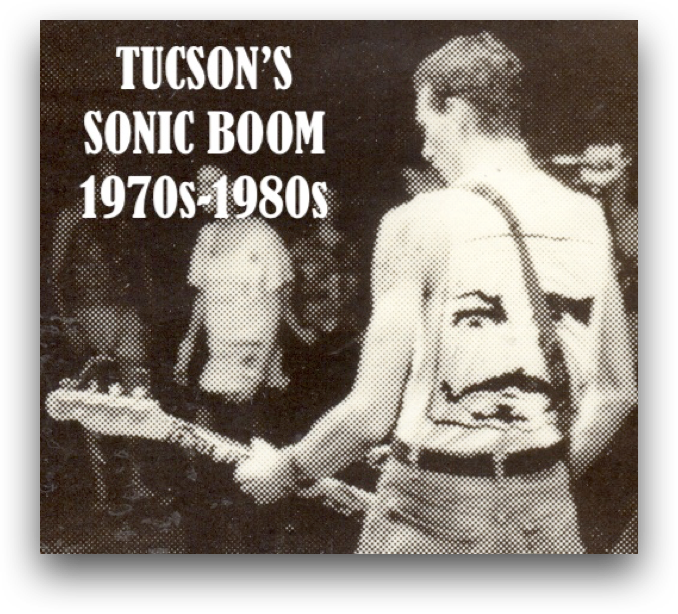
“Tucson’s Sonic Boom” A Film Documentary Proposal
“Tucson’s Sonic Boom,” is a 90-minute documentary film that will capture the raw energy, innovative spirit, and diverse sounds that rocked Tucson, Arizona during the 1970s and 1980s.
The documentary will transport viewers back to a time when Tucson emerged as a musical powerhouse, shaping its own identity and influencing national trends. The film will weave a rich tapestry of the era’s defining local artists and bands.
There will be captivating interviews with iconic figures like vocalist Lisa Carver (Green on Red), guitarist Joey Burns (Calexico), and xxx, electrifying archival footage from long-lost local shows, and pulsating live performances at legendary venues.
We’ll rediscover the early careers of Tucson’s homegrown artists who made national acclaim including Linda Ronstadt, Dearly Beloved, Brian Bromberg, Sons of the Pioneers, The Lewallen Brothers, and others.
We’ll delve into the iconic “Paisley Underground” movement with clips from Green on Red, whose psychedelic country-rock fusion resonated across the nation. The film will also explore the genre-bending sounds of Calexico, a band that continues to push boundaries with their blend of Americana, Tex-Mex, and indie rock.
The jazz and blues scene was highlighted by such talents as the Statesboro Blues Band, Sam and Bobby Taylor, Street Pajama, and xx
Photo above: The Phantom Limbs, 1985. Right: logo. All photographs courtesy of The Entertainment Magazine.
Photo left: Statesboro Blues Band in 1989.
Swing and big band artists like Cass Preston, Dean Armstrong, and Mickey Greco brought xx
The documentary won’t shy away from the underground scene either. We’ll hear from the punk pioneers who challenged the status quo at dive bars like The Casbah.
Punk rock’s influence will also be explored through the lens of Supersuckers, whose raw energy propelled them from Tucson’s underground scene to the forefront of the grunge movement. Notable bands like The Rincon Rebels, Giant Sand, Howe Gelb, Marshmallow Overcoat, and The Sidewinders will showcase the breadth and depth of the scene.
The spirit that fueled local fanzines like Newsreal, Tucson Weekly, and The Entertainment Magazine will be explored, showcasing how these publications weren’t just reviews, but testaments to the raw energy of the local scene.
Photo left: Nadine and the MoPhonics in 1986.
“Tucson’s Sonic Boom” isn’t just a nostalgia trip – it’s a testament to the enduring power of music. We’ll see how Tucson’s musical legacy continues to inspire contemporary artists, proving that the Sonoran Desert birthed a sound as unique and enduring as the landscape itself.
This film will go beyond the mosh pits and synthesizers and explore the unique cultural and geographical landscape that birthed an unforgettable generation of musicians.Highlights of “Tucson’s Sonic Boom”
This documentary film will capture the raw energy and electrifying spirit of Tucson’s music scene during the unforgettable 1970s through the 1980s. Journey back in time, meet the iconic bands, explore the legendary venues, and relive the era that put Tucson on the map.
- A montage of vintage concert footage, iconic Tucson landmarks, and interviews with key figures like radio DJs and music promoters, setting the stage for the vibrant scene.
- Band Profiles: In-depth interviews and archival performance footage with influential local bands like Green on Red, The Giant Sandworms, Nadine & the MoPhonics, and Uptones. Each profile dives into their creative process, influences, and experiences navigating the Tucson scene.
- The Venues: Explore the legendary clubs and bars that hosted these bands like The Maverick, Club Congress, and The Plush Horse Saloon. Interviews with venue owners and bartenders paint a picture of the late-night energy and the fostering of a tight-knit music community.
- National Attention: The documentary delves into how Tucson’s music scene started attracting national attention, with interviews from music journalists and booking agents who witnessed the scene’s rise.
- Legacy and Impact: The film concludes by exploring the lasting impact of the 1980s Tucson music scene on the city’s cultural identity and examining how it continues to influence musicians today. Archival footage of more recent bands paying homage to their predecessors creates a connection between past and present.
The soundtrack features a dynamic mix of original interview snippets, voiceover narration, and of course, a selection of iconic songs from the featured Tucson bands. Additionally, the film will incorporate sound design elements to capture the energy of live performances and the bustling atmosphere of the era.
Target Audience:
“Tucson’s Sonic Boom” targets a broad audience including:
- Music fans with a nostalgic appreciation for 1980s alternative and rock music.
- People interested in Tucson’s unique cultural history.
- Aspiring musicians seeking inspiration from a thriving local scene.
Beyond the Stage Lights:
Voices Shaping the Scene
The documentary will extend beyond the performers, shining a light on the individuals who fostered this vibrant ecosystem. Interviews with influential radio personalities will explore how radio shaped the city’s soundscape.
The host of the documentary will be the legendary Ed Alexander who was KTKT’s morning disc jockey in the late 1970s and 1980s and helped launch its rock ’n roll sister station KWFM.
Photo left: Ed Alexander on the air at KTKT in 1986.
Pioneering DJ “Dick Meter” of KXCI will share his experiences introducing audiences to new sounds and championing local talent.
We’ll delve into the impact of KTKT’s “The Homegrown Show” with personalities like Andy Devine and KWFM’s “The Local Flavor,” highlighting how radio served as a crucial platform for artists and fostered a sense of community.
It isn’t just about the music; it’s about the community. We meet the passionate journalists behind those publications who championed local talent and kept the scene alive. Archival footage and photographs transport viewers back to a time of smoky clubs, pulsating crowds, and the raw energy of live performance.
Capturing the Heartbeat:
Venues and Institutions
Photo left: Raffles Nightclub on Speedway in 1979.
The documentary will delve into the iconic venues that pulsed with the energy of live music.
Interviews with owners, staff, and patrons will be conducted at several iconic nightclubs including, Choo-Choo’s, Night Train, Terry & Zeke’s, Club Congress, The Maverick, Blue Note, and xxx.
The film will explore other venues like The Loft, Fox Theatre, and Rialto Theatre, revealing their unique histories and the role they played in fostering a tight-knit music community.
Additionally, a visit to the Tucson Musicians Museum will offer historical context and showcase the legacy of Tucson music.
Film Project Budget
Production, Editing & Distribution Costs Breakdown ( $75,000 )
Production Total: $45,000
- Interviews ( $20,000 ): Filming interviews with artists, radio personalities, venue owners, and fans in high-quality format (1080p) on location and in controlled studio settings. Equipment rental and travel for out-of-town interviews will be factored in.
- Live Performances ( $15,000 ): Capturing live performances of iconic and contemporary Tucson bands at local venues. This includes multi-camera setups, high-quality audio recording, and capturing the energy of the live shows.
- Location Shoots ( $10,000 ): Filming B-roll footage of iconic locations like record stores (Zia Records), the University of Arizona campus, and the desert landscapes that influenced the music. This will require camera equipment rental, transportation, and permits if necessary.
Editing & Post-Production: $20,000
- Editing ( $12,000 ): Assembling the footage into a compelling narrative with engaging pacing, transitions, and graphic elements. This includes a professional editing software license and experienced editors.
- Sound Design ( $5,000 ): Creating a rich soundscape that blends interviews, music, environmental sounds, and potentially a simple custom-composed score to enhance the film’s emotional impact.
- Color Correction ( $3,000 ): Ensuring a consistent and visually appealing color palette throughout the film that reflects the era and locations.
Distribution: $10,000
- Festival Submissions ( $5,000 ): Submitting the film to major national and regional film festivals (SXSW, Sundance, AFI Docs) for wider recognition and critical acclaim. Entry fees and potential travel for festival screenings will be considered.
- Online Distribution Platforms ( $5,000 ): Making the film available for purchase or rental on VOD platforms like Vimeo On Demand and Amazon Prime. This includes platform fees and potential marketing materials for online audiences.
Timeline for 90-Minute Documentary
June 2024 – May 2026
Year 1 (June 2024 – May 2025):
Pre-Production (Months 1-3):
- Develop Documentary Concept (Month 1):
- Refine story idea and target audience.
- Research similar documentaries and identify unique angle.
- Start building a shot list and interview questions.
- Research and Script Development (Months 2-3):
- Research music genre, artists, and historical context.
- Conduct preliminary interviews to gather content and refine interview questions.
- Write a detailed treatment outlining the narrative arc.
- Develop a first draft of the script.
Fundraising (months 4-8):
- Identify Potential Grantors (Month 4):
- Research foundations, arts organizations, and public funding sources aligned with your documentary’s theme.
- Analyze grant eligibility requirements and deadlines.
- Develop Grant Proposals (Months 5-7):
- Write compelling proposals outlining the documentary’s purpose, impact, budget, and production timeline.
- Tailor each proposal to the specific grant requirements.
- Solicited Funding (Month 8):
- Submit grant proposals and follow up with potential funders.
- Explore alternative funding sources like crowdfunding or sponsorships (if necessary).
Production Planning (Months 9-12):
- Secure Funding (Month 9):
- Finalize funding based on confirmed grants or secured investments.
- Assemble Production Team (Month 10):
- Hire a videographer, sound recordist, editor, and any other necessary crew members based on budget.
- Location Scouting and Scheduling (Month 11):
- Identify filming locations for interviews, archival footage, and musical performances (if applicable).
- Secure filming permits and schedule interviews with key figures.
- Budget Finalization (Month 12):
- Finalize the production budget based on secured funding, crew contracts, and location fees.
Year 2 (June 2025 – May 2026):
Production (Months 13-18):
- Filming Interviews (Months 13-15):
- Conduct interviews with musicians, industry experts, and other relevant individuals.
- Capture B-roll footage to illustrate the documentary’s narrative.
- Filming Musical Performances (Months 14-16 – optional):
- If the documentary features live music, schedule and film these performances.
- Acquire Archival Footage (Months 15-16):
- Research and license archival footage, photographs, or music recordings relevant to the story.
Post-Production (Months 19-20):
- Editing and Assembly (Months 19-20):
- Edit the documentary footage, interviews, and music to create a cohesive narrative.
- Integrate sound design, voiceover narration (if applicable), and music.
- Color Correction and Final Touches (Month 20):
- Apply color grading to enhance the visuals.
- Add final titles, credits, and any necessary graphics.
Distribution (Month 21 – Ongoing):
- Film Festival Submissions (Month 21):
- Submit the documentary to relevant film festivals for potential screenings and awards.
- Distribution Strategy (Month 22):
- Explore distribution options such as online streaming platforms, television broadcasts, or educational markets.
- Marketing and Promotion (Ongoing):
- Create a marketing campaign to promote the documentary and reach your target audience.
Notes:
- This is a general timeline and may need adjustments based on the specific documentary’s needs and unforeseen circumstances.
- Allow buffer time in each stage for unexpected delays or revisions.
- Copyright clearances to be secured for any used music or footage not obtained through fair use.Why “Tucson’s Sonic Boom” is a Good Idea
Preserving a Legacy: The documentary will capture a crucial but often overlooked chapter in Tucson’s cultural history. By documenting the music scene of the 1970s and 1980s, the film will ensure its stories and sounds are preserved for future generations.
Photo left: Giant Sandworms, 1984.
Inspiring the Next Generation: “Tucson’s Sonic Boom” will serve as an inspiration to young musicians in Tucson. Seeing the creativity and success of past generations can spark new musical endeavors and foster a vibrant future for the city’s music scene.
Rekindling Local Pride: The film will remind long-time residents of Tucson’s vibrant musical past, evoking a sense of nostalgia and local pride. It will showcase the unique energy and artistic spirit that once defined Tucson’s nights.
Educational Resource: The documentary has the potential to be an educational resource for schools and universities, offering insights into a transformative period in Tucson’s history and the power of music to shape a community.
Photo right: Green on Red, late 1970s
Economic Impact: The film production can create local jobs for videographers, editors, sound designers, and other creative professionals. Additionally, screenings and distribution can boost tourism and generate revenue for local businesses.
Unifying the Community: The documentary can be a unifying force, bringing together people who experienced the era firsthand with those who are curious about Tucson’s musical heritage. It can spark conversations about local culture and foster a sense of shared identity. .Community Involvement
Production Team
The project is produced by professionals who have been involved in the local entertainment scene during the 1970s and 1980s. They are volunteering their time to organize, develop and produce the film documentary.
- Ed Alexander
- Jim Brady
- Chuck Graham
- Jim Travis
- David Wing
- Robert Zucker has been publishing newspapers since 1978, including “Youth Awareness Press,” “Tucson Teen”, and “Entertainment Magazine.” He taught journalism at the University of Arizona and Pima Community College for nearly a dozen years and has published several books on Tucson’s entertainment history.
Advisory Committee
Several community professionals have offered their assistance in an advisory capacity.
- Jay Zucker
Distribution & Recognition
The film will be submitted to major film festivals, with a focus on music documentaries and regional film festivals in Arizona. Additionally, the team will explore opportunities for streaming platform distribution and educational markets.
Online Distribution Platforms:
- Vimeo On Demand
- Amazon Prime Video
- Archive.org
- YouTube (potentially with limited advertising)
- Local public access channels (Tucson)
- Web Site streaming
Local Showings:
- The Loft (premiere showing), Rialto Theatre, and Fox Theatre
- Nightclubs, prior to first acts
- KXCI-FM (audio portion)
- Copies available to schools, University of Arizona and Pima Community College
Local, Regional & National Film Festivals:
- Film Fest Tucson )October)
- Tucson Film Festival (November)
- The Loft Film Festival
- Arizona International Film Festival (April)
- Arizona Underground Film Festival
- SXSW (South by Southwest) Film Festival (Austin, TX)
- Sundance Film Festival (Park City, UT)
- AFI Docs (Los Angeles, CA)
- Phoenix Film Festival (Phoenix, AZ)
Awards & Recognition:
- Grammy Awards – Best Music Documentary
- SXSW Film Festival Awards
- Sundance Film Festival Awards
- AFI Docs Awards
- Local film festival awards in Arizona
Archived File Storage:
- archive.org
- Arizona Memory Project (AZ. State Library)
By utilizing these resources and distribution channels, “Tucson’s Sonic Boom” has the potential to reach a wide audience and generate significant interest in the vibrant and often overlooked musical legacy of Tucson, Arizona.Help Ignite the Flame:
Invest in Tucson’s Sonic Boom
Film Documentary
Tucson’s musical legacy is a hidden gem, waiting to be rediscovered. A vibrant and innovative scene thrived in the 1970s and 1980s, but its story remains largely untold. “Tucson’s Sonic Boom” is a documentary film poised to capture this electrifying era, preserving a crucial chapter in Tucson’s cultural history and inspiring generations to come. Your tax-deductible contribution to this non-profit endeavor is an investment in our community’s artistic heritage.
Here’s why your support matters:
- Unearth a Lost Chapter: This documentary will shine a light on groundbreaking Tucson musicians of the 1970s and 1980s. Their stories deserve a wider audience, and your contribution helps bring them to life.
- Fuel the Creative Future: By showcasing the innovation and passion of past generations, “Sonic Boom” will inspire young Tucson musicians to pursue their artistic dreams. You’re investing in the city’s vibrant future.
- Rekindle Local Pride: This film is a love letter to Tucson. It will reawaken memories for long-time residents and foster a sense of pride in the city’s unique musical identity. Your contribution helps us celebrate what makes Tucson special.
- Leave a Lasting Legacy: Documentaries have the power to preserve history. “Tucson’s Sonic Boom” will ensure this era of Tucson music isn’t forgotten. You’re helping create a valuable resource for future generations.
- Invest in Your Community: This film production will create local jobs for videographers, editors, and other creative professionals. Your contribution strengthens Tucson’s cultural and economic landscape.
- Tax-Deductible Impact: Donations to Southwest Alternatives Institute, Inc., a 501 c3 non-profit organization, are tax-deductible, allowing you to support the arts while receiving valuable tax benefits.
“Tucson’s Sonic Boom” is more than just a documentary; it’s a celebration of Tucson’s spirit.
With your generous contribution, we can capture the raw energy, innovative sounds, and unforgettable stories of this era. Together, we can ensure Tucson’s musical legacy continues to resonate for years to come. Make a tax-deductible donation and help ignite the flame!
Photo left: Actor Michael Landon with members of the Saddle City Band, 1985.