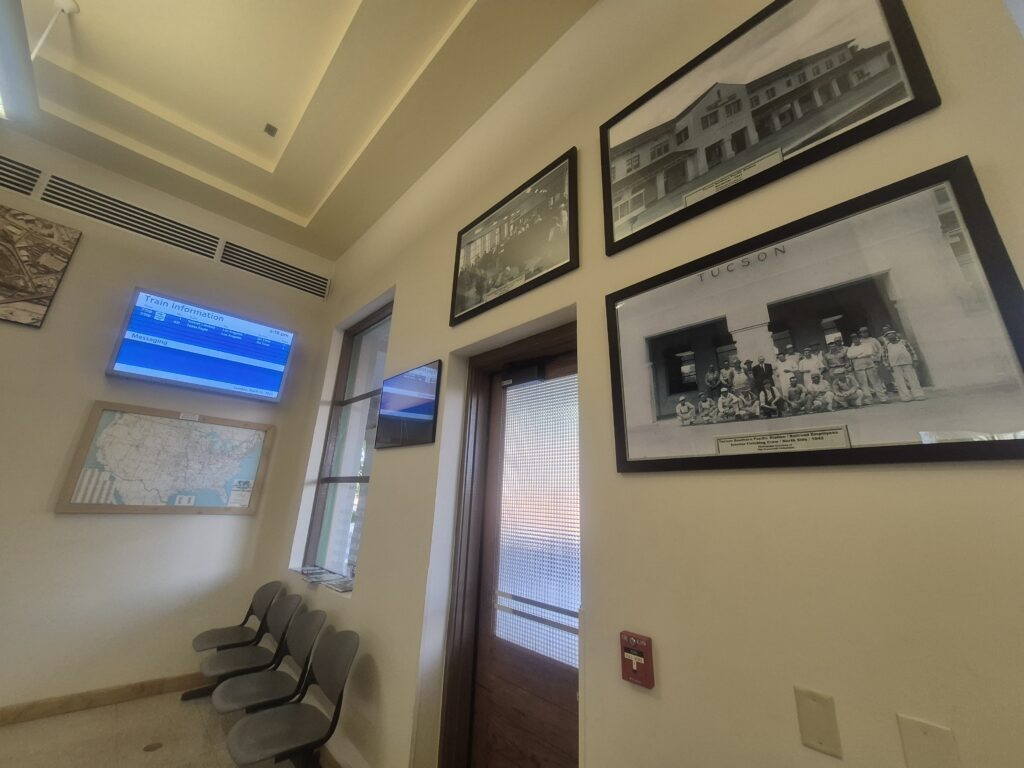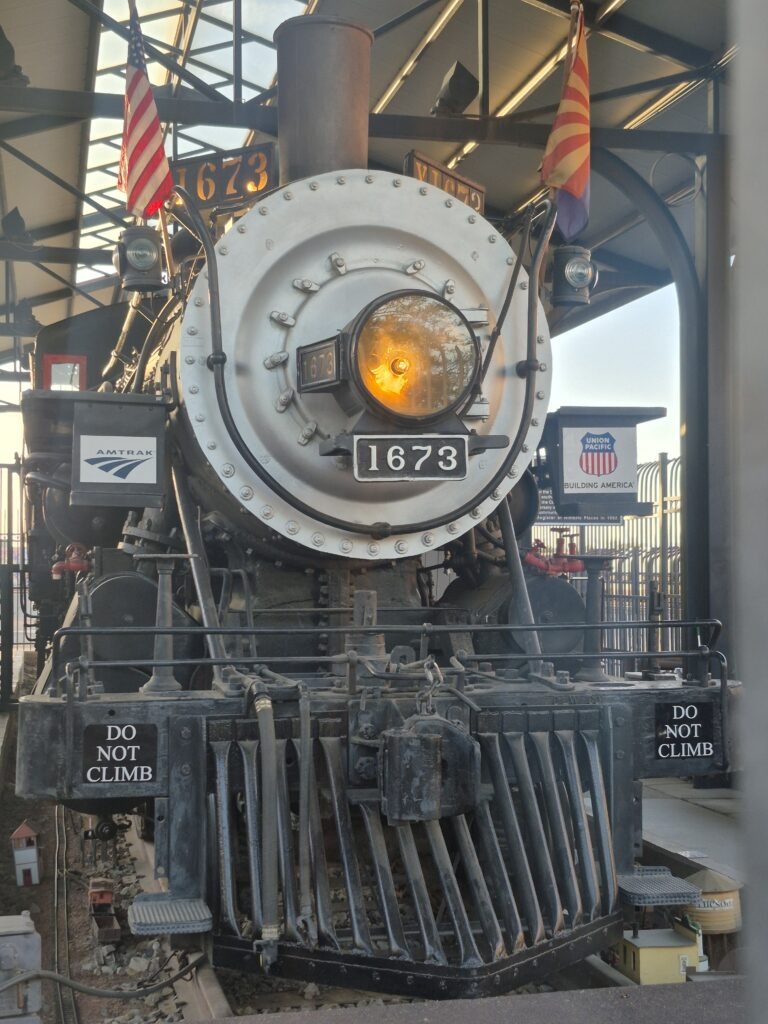
The story of rail travel through Tucson is inseparable from the wider sweep of American expansion, where steel tracks stitched together desert, mountain, and coast long before highways carved their way through the Sonoran landscape. What is now experienced through Amtrak—formally known as the National Railroad Passenger Corporation—has roots that trace back to the late 19th century, when the Southern Pacific Railroad first reached Tucson in 1880. That arrival transformed the region from an isolated frontier settlement into a vital transportation hub, connecting Arizona to California, Texas, and beyond. Freight and passenger trains carried not only goods and people but also culture, language, and opportunity, shaping Tucson into a crossroads of the Southwest.
Today’s Amtrak routes echo those original corridors. Lines like the Sunset Limited glide through the same desert expanses, where saguaros stand like silent witnesses and distant mountains glow at dusk. The rhythm of the train offers a slower, more contemplative way to experience the land—one that feels almost resistant to modern urgency. Unlike air travel, where destinations blur together, rail travel reveals the transitions: the subtle shifts in terrain, architecture, and atmosphere that define the American Southwest.
Speaking with conductor George A Atkins of the Southwest Desert Gulf Region adds a human dimension to the journey. Conductors are not just operators of logistics; they are storytellers, problem-solvers, and guardians of passenger experience. According to Atkins, first-time riders often underestimate how different train travel feels compared to flying or driving. There’s a cadence to it—boarding, settling in, watching landscapes unfold—that invites passengers to participate in the journey rather than simply endure it.
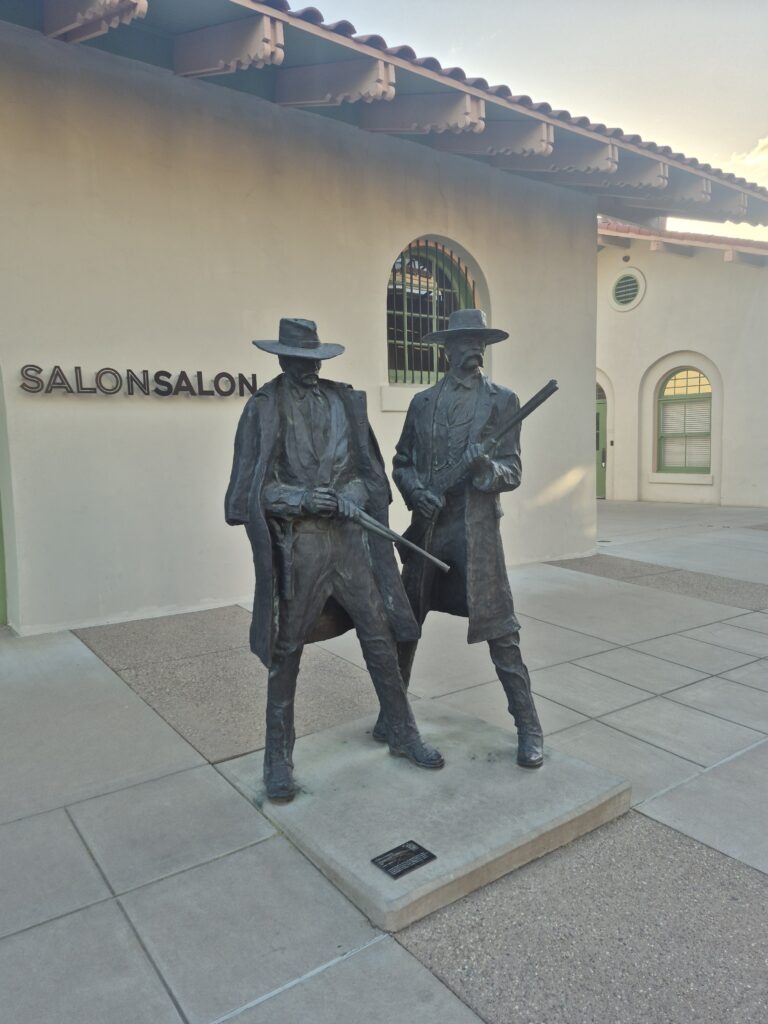
For travelers experiencing Amtrak for the first time, preparation shapes the entire experience. Arriving early at the station allows time to understand boarding procedures, which are more relaxed than airports but still structured. Tucson’s historic station itself offers a glimpse into the past, with its adobe-style architecture reflecting the region’s heritage. Once onboard, choosing the right seat matters more than many expect; window seats on the west-facing side during sunset routes can deliver breathtaking views across the desert.
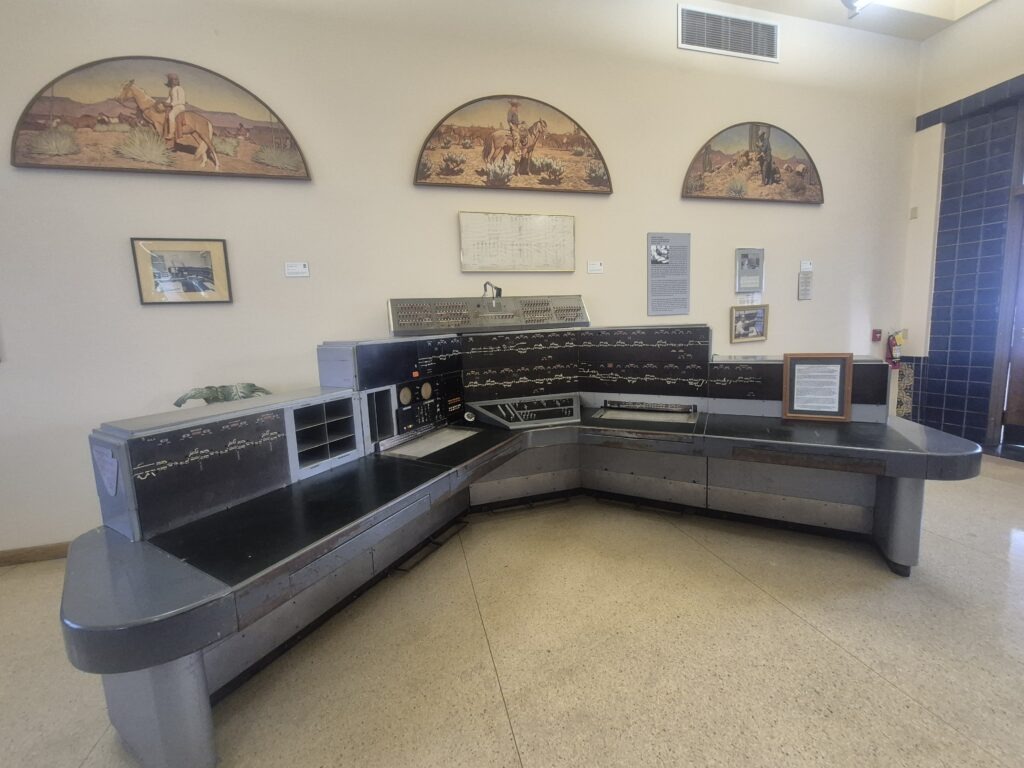
Packing strategically makes a noticeable difference. Unlike flights, Amtrak allows more generous baggage, so bringing a small comfort kit—neck pillow, light blanket, snacks, and water—can elevate the trip significantly. While there is often a café car, options can be limited, and seasoned travelers tend to bring their own provisions. Comfortable clothing is essential; temperatures can vary between stations and onboard environments.
One of the most overlooked aspects of train travel is social interaction. The layout of Amtrak encourages conversation, whether in observation cars or dining areas. Many find themselves exchanging stories with strangers, creating a sense of community rarely found in other forms of transportation. Atkins notes that some of the most memorable journeys come not from the destination, but from the people met along the way.
Timing also plays a role in maximizing the experience. Daylight segments offer the best scenic value, particularly when traveling through Arizona’s desert landscapes. Night travel, on the other hand, can be surprisingly restful, with the gentle motion of the train acting almost like a lullaby. Choosing routes or schedules that balance both can provide the full spectrum of what rail travel offers.
There are practical considerations as well. Trains can run behind schedule due to freight traffic priorities, especially in regions where tracks are shared. Building flexibility into travel plans prevents unnecessary stress. Charging devices ahead of time is wise, as outlets may be limited depending on the train car. Staying aware of station stops is also important; some are brief, and stepping off without attention can lead to being left behind.
Yet beyond logistics, what defines an Amtrak journey through Tucson is the sense of continuity—of traveling along the same paths that once carried pioneers, merchants, and dreamers. The desert outside the window is not empty; it is layered with history, from Indigenous trade routes to Spanish exploration and American rail expansion. Riding these rails becomes more than transportation—it becomes participation in a living narrative.
For first-time travelers, the key is to approach the experience not with the expectations of speed, but with openness to discovery. The train does not rush; it reveals. And somewhere between the quiet hum of the tracks and the vast Arizona horizon, the journey itself becomes the destination.